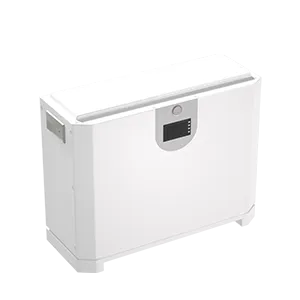
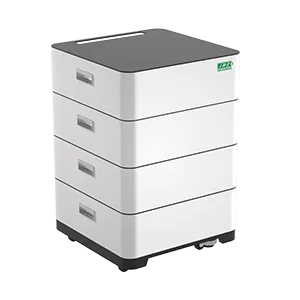
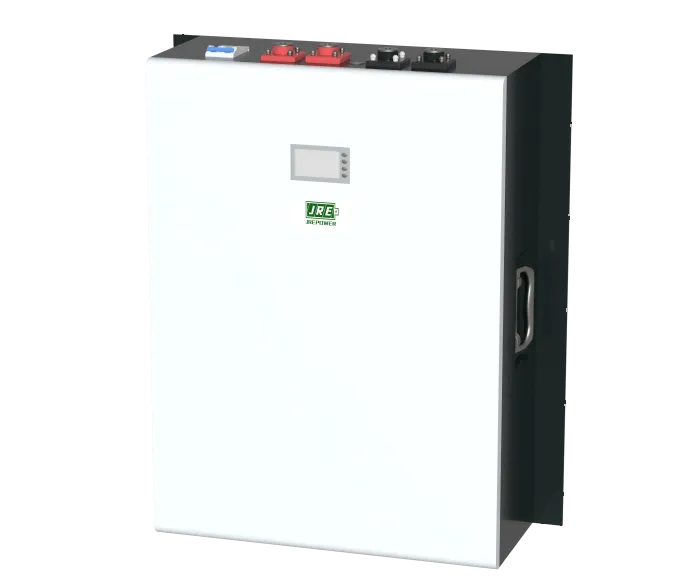
Battery-powered agricultural equipment is moving beyond small handheld tools. Electric utility vehicles, sprayers, irrigation equipment and other farm machines increasingly depend on batteries that can deliver dependable power through long working days, uneven terrain and seasonal operating cycles. For equipment manufacturers and fleet operators, choosing a battery therefore involves much more than matching a voltage number.
A well-matched lithium-ion battery should support the equipment's actual duty cycle, fit the available installation space and communicate correctly with the electrical system. It should also remain predictable when equipment is exposed to vibration, temperature changes and periods of seasonal storage.
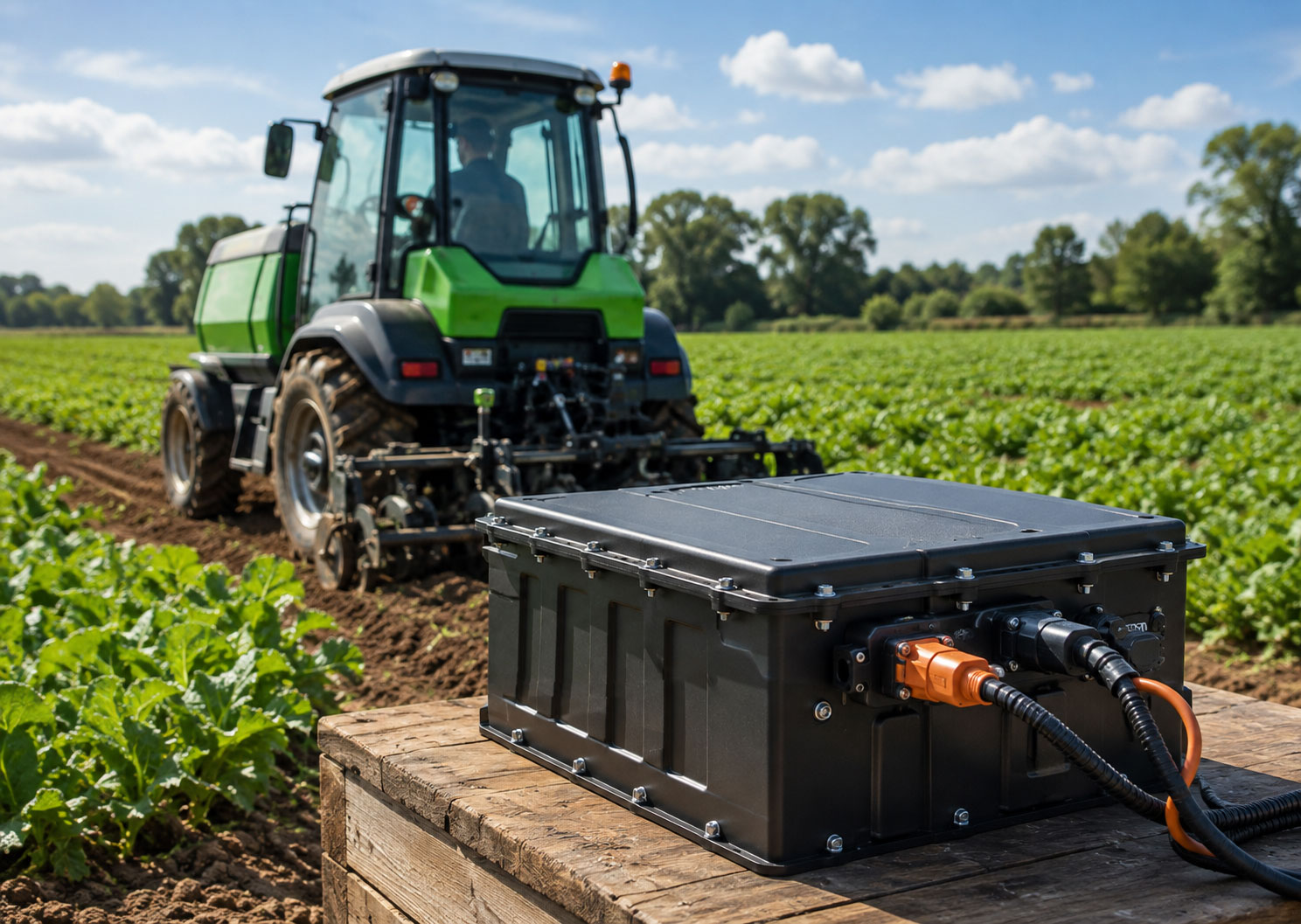
The first question is not simply “How many amp-hours do I need?” Buyers should begin with nominal system voltage, average operating current, peak current, expected working hours and the amount of usable energy required between charging opportunities.
A smaller battery may be sufficient for a light-duty sprayer that operates intermittently, while a high-capacity electric agricultural vehicle needs substantially more stored energy. This is why JREPower offers its farm equipment battery range in different configurations, including 12V 10Ah and 12V 20Ah products as well as higher-capacity 48V 392Ah and 48V 588Ah options.
Voltage compatibility should always be confirmed before capacity is considered. Installing a battery with the wrong voltage can create compatibility problems with the controller, charger and connected equipment. Capacity can then be selected according to working time, load profile and acceptable charging frequency.
Farm equipment often operates in conditions that are quite different from indoor industrial machinery. Rough ground creates repeated vibration, machines may remain unused between seasons, and working loads can change considerably during a single day.
LiFePO4 chemistry is attractive in these applications because it combines useful cycle performance with good thermal stability. The U.S. Department of Energy notes that LFP chemistry has become widely adopted partly because of its thermal stability and cycle-life characteristics. Battery safety, however, depends on the complete pack design rather than chemistry alone.
For this reason, the battery management system deserves as much attention as the cells. A BMS monitors operating conditions and can help protect the battery against excessive charging, deep discharge and abnormal current. Cell balancing is also important when the equipment is expected to work repeatedly across many charge cycles.
Agricultural batteries do not spend their entire life in ideal operating conditions. A battery mounted on a tractor, field vehicle or sprayer may experience persistent vibration and shock. Internal mounting, housing strength, electrical connections and pack construction should therefore be evaluated before a battery is approved for a machine.
Seasonal storage creates another issue. Equipment that sits unused for several months still requires an appropriate storage state of charge and periodic inspection. Low self-discharge can reduce unnecessary charging during idle periods, but buyers should still follow the battery manufacturer's storage instructions.
JREPower states that its agricultural lithium batteries are designed with vibration resistance, stable voltage output and an integrated BMS, features intended to support equipment working under changing loads and field conditions.
For commercial procurement, a specification sheet is only the beginning. Buyers should provide the supplier with equipment voltage, motor or controller information, maximum current, target runtime, charging requirements, installation dimensions and operating temperature range.
It is also worth discussing connector design, communication protocols, enclosure requirements and production consistency. Experienced motive power battery manufacturers should be able to review the application rather than recommending a pack based only on nominal capacity.
Transportation documentation also matters for international projects. Lithium battery shipments are subject to dangerous-goods requirements, and the UN Manual of Tests and Criteria includes the Section 38.3 testing framework used for lithium battery transport. Importers should confirm the relevant test documentation and shipping requirements before placing repeat orders.
The best agricultural battery is not automatically the product with the largest capacity. An oversized battery adds cost and weight, while an undersized pack can create unnecessary charging interruptions and accelerate operational problems.
For OEM projects and commercial fleets, the better approach is to define the machine's voltage, energy requirement, load pattern, working environment and charging strategy first. The battery supplier can then recommend or configure a pack around those requirements. This application-first process makes it easier to balance runtime, reliability and long-term operating cost.
LiFePO4 batteries are commonly considered for agricultural equipment because they offer stable output, useful cycle life and good thermal stability. The correct pack still depends on voltage, current, runtime and equipment design.
Estimate the equipment's average power consumption and required operating hours, then account for peak loads and usable battery capacity. Final sizing should be checked against the controller and charger specifications.
They can when the battery pack, enclosure, internal mounting and electrical connections are designed for vibration-prone applications. This should be confirmed with the supplier before installation.
Provide system voltage, expected current, target runtime, equipment type, installation dimensions, charger specifications, operating temperature and any communication requirements.
U.S. Department of Energy. (2024). Energy Storage Safety Strategic Plan. Office of Electricity.
United Nations Economic Commission for Europe. (2023). Manual of Tests and Criteria, Revision 8. United Nations.
International Air Transport Association. (2026). Battery and Lithium Battery Transport Guidance. IATA.
 Electric Forklift Battery Safety in the Warehouse: Why Smart BMS is Now a Must-HaveJune 16, 2026Warehouse operators are under increasing pressure to improve safety, uptime, and compliance — particularly in regulated environments like food processing, pharmaceutical logistics, and cold storage. ...view
 Energy Storage Battery Manufacturers in 2026: A Sourcing Checklist for Long-term, Low-risk ProjectsJune 16, 2026The energy storage market is crowded, but quality is not equal — and the gap between a reliable supplier and a problematic one rarely shows up at commissioning. It shows up six to twelve months later...view
 Ultimate Energy Storage Selection Guide: Centralized vs. String-Level — Master the Differences and Choose the Right SolutionJuly 22, 2026In the deployment of energy storage power station projects, centralized storage and string-level storage are the two major mainstream technical architectures in the current market. Many project develo...view
 The ultimate showdown in the trillion-watt energy storage race: 587 Ah versus 684 Ah – who will dominate the next-generation battery cell standard?June 24, 2026The core competitiveness in the energy storage industry has long transcended mere capacity expansion and price competition; the authority to define industry standards remains the decisive factor in th...view
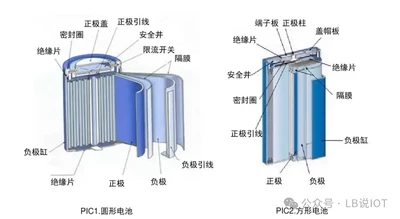 Safety First: A Multidimensional Strategy Analysis for Enhancing Lithium-ion Battery SafetyMarch 31, 2026Application and Safety Issues of Lithium-ion Batteries: Lithium-ion batteries are widely used due to their high energy density, high output power, and high average output voltage. However, accidents ...view
 How are lithium battery cells designed? Which chemical system should be chosen?March 31, 2026What is cell design?Cell design refers to a method of assembling positive electrode material, negative electrode material, electrolyte, separator, and current collectors in certain proportions and pro...view
 EN
EN
 ru
ru