Application and Safety Issues of Lithium-ion Batteries: Lithium-ion batteries are widely used due to their high energy density, high output power, and high average output voltage. However, accidents caused by battery failures occur every year, and yet few people actively understand the safety risks. Therefore, identifying and mitigating the safety hazards of lithium batteries is crucial. The main content of the article: First, it analyzes the phenomenon of thermal runaway and discusses various monitoring systems. Then, it emphasizes the application of Fiber Bragg Grating sensors (FBG) in real-time detection of battery data. Finally, it summarizes methods to reduce safety issues with lithium batteries, including the use of electrode surface coatings, electrolytes, separators, and suppression of lithium dendrite growth. These contents are of reference value for future lithium battery safety research.
The application and safety issues of lithium-ion batteries are becoming increasingly prominent: The development of renewable energy is a trend of the times, batteries are ubiquitous in life, and lithium-ion batteries are widely used and key to the development of new energy fields. However, in recent years, their overheating problem has affected the development of electric vehicles, and battery safety has received attention. Research direction and purpose of the article: Scientists use various technologies to improve the safety of lithium-ion batteries. Currently, safety monitoring research on battery thermal runaway prediction and early warning methods is a popular direction. The article aims to summarize related advanced methods and introduce the latest research progress.
Causes of safety accidents: When lithium-ion batteries are improperly used (such as overcharging, overheating, impact, short circuit), the temperature abnormally increases, triggering internal chemical reactions, producing gases and smoke. The safety valve opens, and the temperature further increases, which may lead to combustion or explosion.
Ways to improve safety: There are mainly two approaches: monitoring and avoiding safety accidents, and upgrading battery structure or replacing problematic components.
Specific methods to improve the safety of lithium-ion batteries
Preventing thermal runaway
Thermal runaway principle: The exothermic reactions within the battery materials cause the battery to heat up rapidly, releasing chemical energy. Overheating can be caused by various factors such as structural deformation, short circuits, overcharging, component aging, and cooling system failures. The high energy density of the battery and the use of flammable electrolytes increase the risk of thermal runaway.
Cooling system: Scientists have developed battery thermal management systems (BTMS), including air cooling and liquid cooling systems, but both have disadvantages. A hybrid cooling system combines the advantages of both, allowing for better regulation and management of battery heat dissipation. The specific choice should be determined based on the situation.
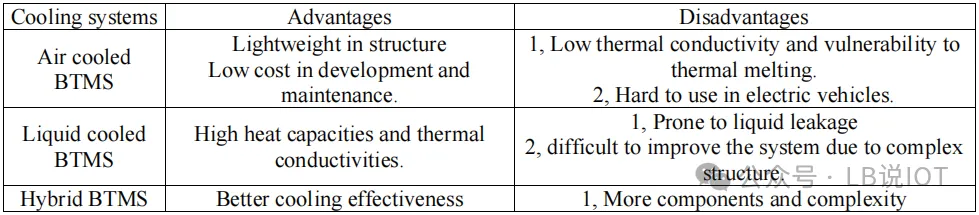
Table 1. Comparison of Air, Liquid, and Hybrid Cooling BTMS
Fiber Bragg Grating Sensor (FBG)
Monitoring Principle: By real-time monitoring of various symptoms of batteries, it prevents safety hazards. Modern methods often involve monitoring heat flow or detecting electrode cracks as indirect reflections of the battery's condition, whereas FBG sensors can directly or indirectly measure the internal and external temperature and strain responses of the battery. They study electrolyte degradation through the interaction of light carried by optical fibers with the surrounding chemical environment.
Advantages: FBG sensors have characteristics such as minimally invasive, resistant to electromagnetic interference, and insulation. They can still accurately provide data under high temperatures and pressures. When indicators reach critical values, operations can be adjusted or terminated in a timely manner to improve the safety of battery usage.
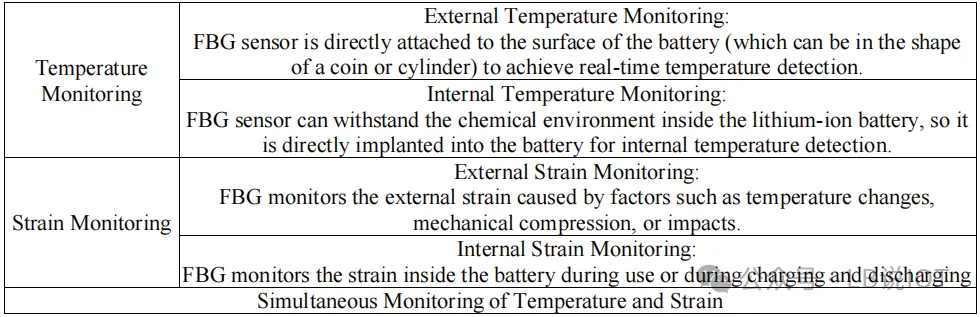
Table 2. FBG Indicator Table
Improving Battery Separators for Stable Battery Performance
Separator Role and Design Challenges: The separator in a battery acts as a physical barrier to prevent direct contact between the positive and negative electrodes and to hold the electrolyte to facilitate ion movement. The design must balance mechanical durability with porosity or transport properties, which poses a challenge when used in large-scale battery systems.
Improvement Methods: Current research is primarily focused on modifying commercial polyolefin (PP) separators, such as coating or grafting organic/inorganic compounds, and treating the surface with heat-resistant compounds. Electrospinning technology can also be used to manufacture nanofiber separators, which can enhance thermal stability. Adding hydrophilic materials can improve performance and inhibit the growth of lithium dendrites.
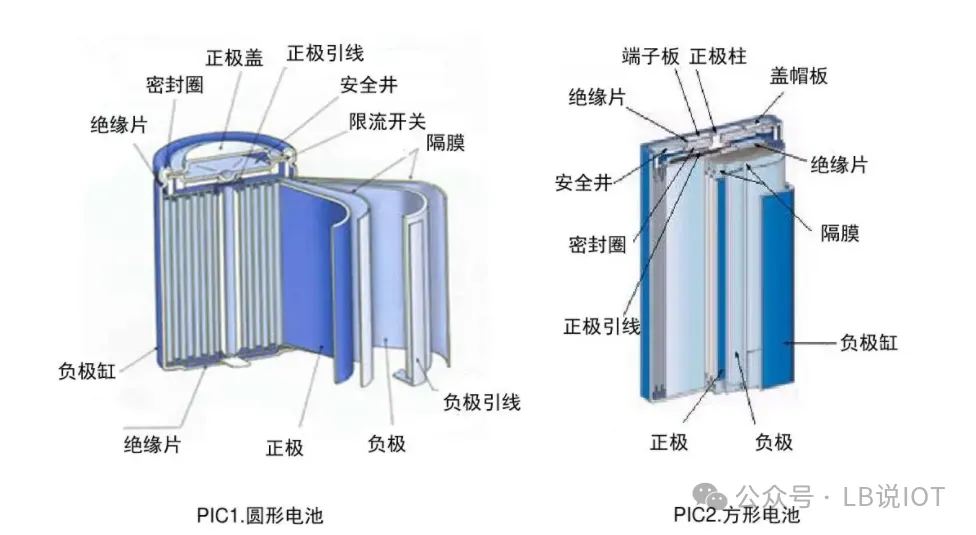
Non-flammable polymer electrolyte
Issues with traditional electrolytes and directions for improvement: Traditional electrolytes may experience thermal runaway under extreme conditions, leading to oxidation, mixing of electrode materials, and even explosions. Improvements need to take into account the physical and chemical properties and stability of both the electrolyte and the electrodes. Solid polymer electrolytes (SPEs) are the future trend, as they are non-leaking, have high mechanical strength, and are stable, which can reduce the volume changes of electrode materials.
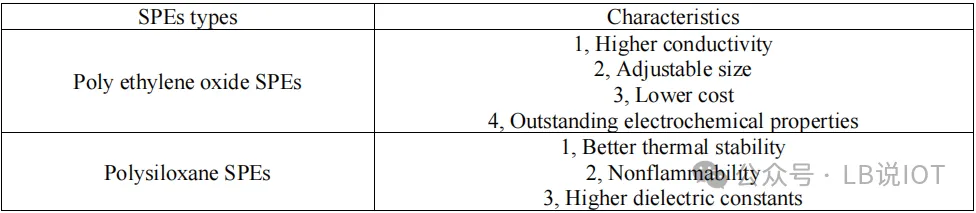
Table 3. Types and Characteristics of SPEs
Characteristics and flame retardants of SPEs: Different SPEs have different advantages, such as high conductivity and adjustable size for polyethylene oxide SPEs; good thermal stability and non-flammability for polysiloxane SPEs. Most SPEs require the addition of flame retardants, with inorganic materials being safer and lower in cost, which can improve the performance of SPEs and inhibit the growth of lithium dendrites. However, SPE research is relatively new, applications are limited, and commercial electrolytes still cannot be replaced.
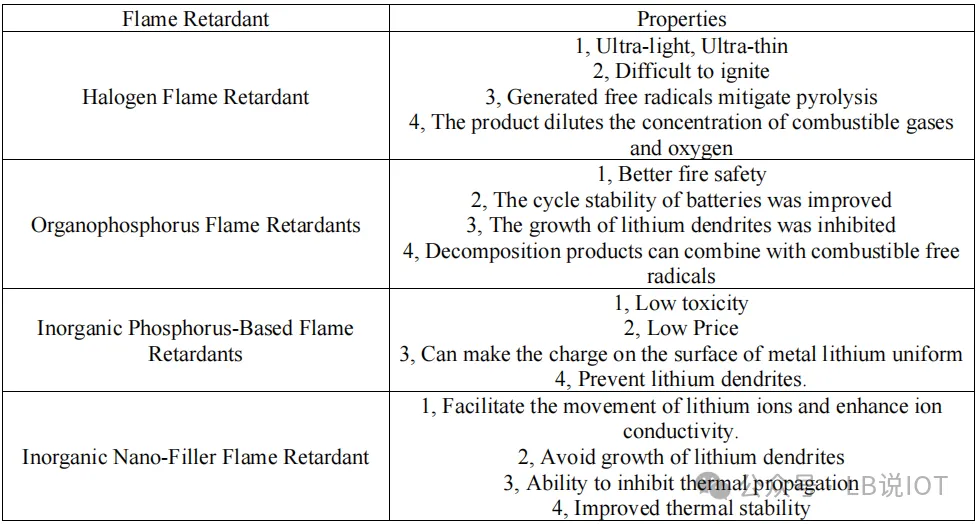
Table 4. Different Flame Retardants and Their Properties
Inhibition of Lithium Dendrite Growth
Formation and Hazards of Lithium Dendrites: Lithium dendrites are caused by the uneven deposition of lithium ions during their migration between the positive and negative electrodes. This can lead to electrode expansion, reduced coulombic efficiency, decreased battery capacity, and deterioration of safety performance, ultimately resulting in battery failure.
Inhibition Methods: Inhibition can be approached from both the electrolyte and the lithium metal anode. Adding additives to the electrolyte can enhance the function of the solid electrolyte interface (SEI) layer, such as lithium polysulfides and lithium nitrate, which can effectively inhibit the formation of lithium dendrites. From the electrode perspective, three-dimensional structured lithium anodes can reduce the volume change of the anode, such as graphene composite electrodes. Some new types of SEI layers can also effectively inhibit the growth of lithium dendrites.
Surface Coated Electrode Method
Role and Application of Surface Coating: Surface coating is the primary technology for protecting the cathode and enhancing the thermal stability of cathode materials. It can suppress phase transitions and improve the conductivity of the material. Nickel-cobalt-manganese ternary (NMC) cathode materials, when using surface coating technology, can improve microstructure, electrochemical performance, thermal conductivity, ion diffusion coefficient, and thermal stability, reducing internal structural damage and increasing cycle stability, preventing metal ion leaching.
Specific Methods and Effects: For instance, employing a "coating + impregnation" synthesis method at room temperature for coating specific materials, or using sol-gel technology to create a uniform coating on the cathode surface at low temperatures, can significantly enhance cycle stability.
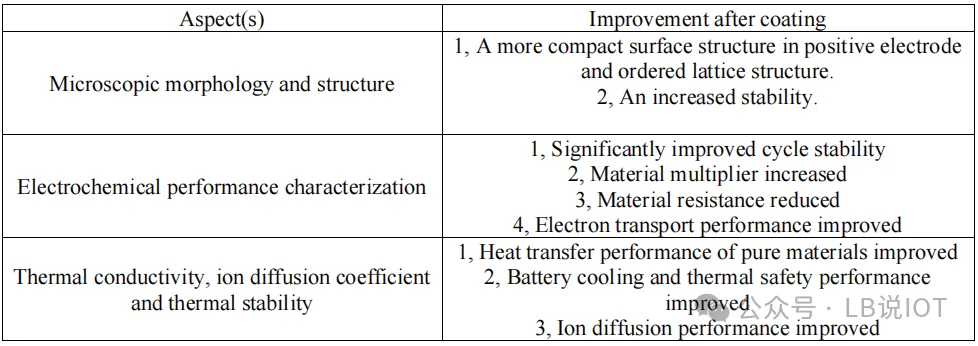
Table 5. The Impact of Surface Coating Technologies on Lithium-Ion Batteries
Method Classification: Methods to improve the safety of lithium-ion batteries can be broadly classified into two categories. One category involves real-time monitoring of battery parameters as an early warning system to prevent safety incidents, while the other category focuses on improving the internal materials or structure of the battery.
Specific Measures and Effects
In the first category, the Battery Thermal Management System (BTMS) can prevent thermal runaway. A hybrid BTMS offers the best cooling effect, although it is complex in structure and expensive. Fiber Bragg Grating (FBG) sensors can monitor battery temperature, strain, and pressure in real-time, enabling quick identification of overheating or abnormal conditions.
In the second category, researchers have improved the safety of lithium-ion batteries by modifying the separator, electrolyte, suppressing the growth of lithium dendrites, and treating the cathode surface.
From the public account LB IOT Insights
https://mp.weixin.qq.com/s/kuuCa6RIy3a1388teQ6R6Q
 Ultimate Analysis of Energy Storage Selection: Centralized vs. String-Level BESS Beyond Wiring Differences — The Core is Control Granularity CompetitionJuly 22, 2026In energy storage project design and equipment selection, centralized and string-level BESS (Battery Energy Storage Systems) are the two dominant technical routes. Many practitioners have long held a ...view
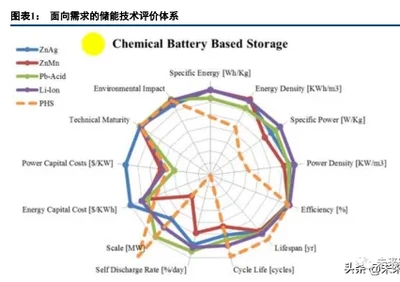 Deep Report on Lithium Battery Industry: A Collection of Battery Technology ProspectsJanuary 13, 2026Energy storage technology is fundamentally a technology that caters to demand, and its evaluation indicator system encompasses energy indicators, power indicators, scale indicators, lifespan indicators, ...view
 Easy to Understand! Complete Guide to Distinguishing Primary and Secondary Equipment in Substations The Doers vs. The Managers — Mastering Substation EquipmentJuly 22, 2026A substation is the core hub of a power system—a critical node for transmitting, converting, and distributing electrical energy. For many newly hired electricians and power industry newcomers, the mo...view
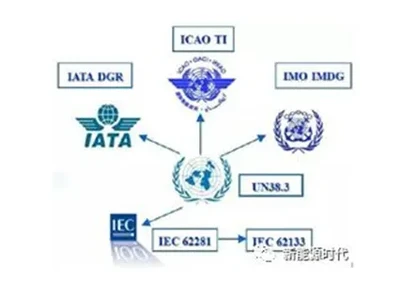 Introduction to Lithium-ion Battery Standards (International Edition)March 31, 2026I. UN38.3UN38.3 is the section of Chapter 38, Paragraph 3 of the United Nations' "Manual of Tests and Criteria for the Transport of Dangerous Goods." In 2003, the United Nations adopted ...view
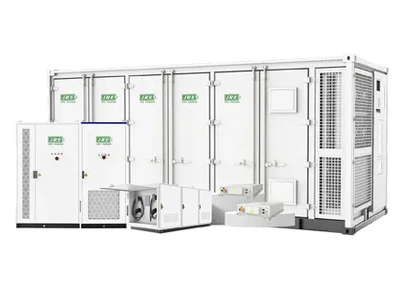 The ultimate showdown in the trillion-watt energy storage race: 587 Ah versus 684 Ah – who will dominate the next-generation battery cell standard?June 24, 2026The core competitiveness in the energy storage industry has long transcended mere capacity expansion and price competition; the authority to define industry standards remains the decisive factor in th...view
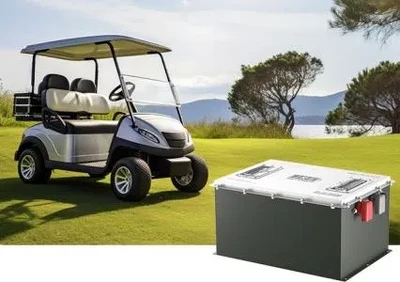 Golf Cart Battery Selection Guide: Performance, Choices, and Core PowerFebruary 3, 2026Is your golf cart becoming increasingly sluggish? Tired of frequently changing batteries? The right battery changes everything. It is the heart of your cart's reliability.Golf cart batteries are r...view
 EN
EN
 ru
ru