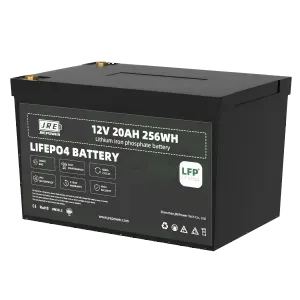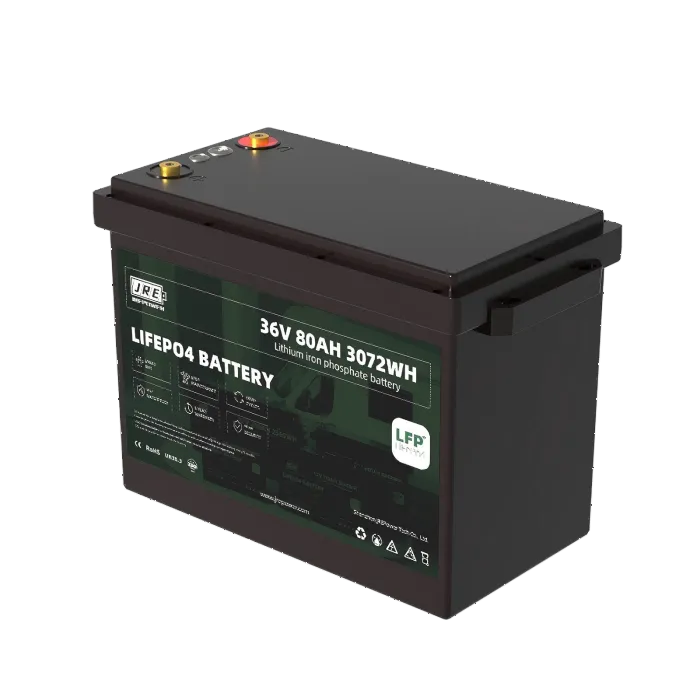
In today's electrified world, the Li-ion battery has become the driving force behind modern innovation. From electric vehicles and renewable energy storage to industrial automation and telecommunications, Li-ion batteries provide efficient, sustainable, and long-lasting energy solutions. As a trusted global supplier, JREPOWER designs and manufactures high-performance Li-ion battery systems that empower businesses to move toward cleaner, smarter, and more reliable energy solutions.
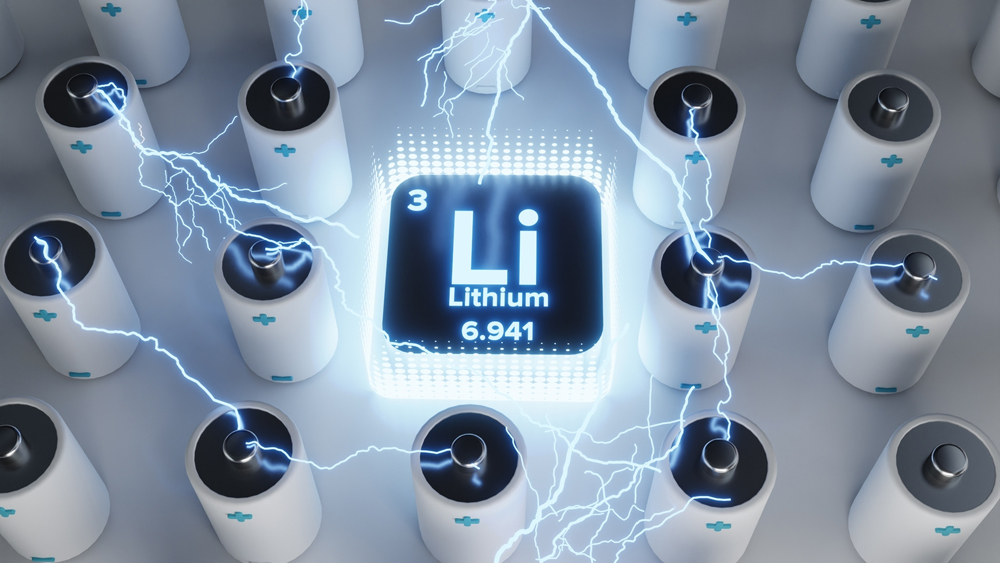
A Li-ion battery, short for lithium-ion battery, is a rechargeable power source that uses lithium ions to store and deliver electrical energy. The core process involves lithium ions moving between the positive (cathode) and negative (anode) electrodes through an electrolyte during charging and discharging cycles. This mechanism provides higher energy density and superior performance compared to traditional lead-acid or nickel-based batteries.
Anode: Typically made of graphite to host lithium ions during charging.
Cathode: Composed of lithium metal oxides such as LiFePO₄ (LFP) or NMC materials.
Electrolyte: A lithium salt solution that enables ion flow between electrodes.
Separator: Keeps electrodes apart while allowing ion transfer.
This combination results in a compact, lightweight, and efficient battery — ideal for industrial and commercial applications.
The rapid adoption of Li-ion batteries across multiple sectors is driven by their superior technical and economic advantages:
High Energy Density: Provides more power with less weight and volume.
Long Cycle Life: Thousands of charging cycles with minimal capacity degradation.
Fast Charging: Reduces equipment downtime and increases productivity.
Low Self-Discharge Rate: Retains charge longer during storage.
Environmentally Friendly: Free of heavy metals like lead or mercury.
For businesses seeking to optimize performance and sustainability, JREPOWER Li-ion battery solutions offer the perfect balance between innovation and reliability.
Li-ion batteries are the cornerstone of the electric vehicle (EV) revolution. They deliver high energy density, quick charging, and stable performance across temperature ranges. JREPOWER engineers advanced EV battery systems with intelligent Battery Management Systems (BMS) to ensure safety, consistency, and extended driving range.
Solar and wind energy systems depend on Li-ion batteries for reliable power storage. With JREPOWER’s modular energy storage systems, businesses can efficiently manage load fluctuations, store excess renewable energy, and maintain power stability even during grid failures.
From automated warehouses to telecommunications towers, Li-ion batteries provide consistent power for mission-critical operations. JREPOWER’s industrial-grade Li-ion battery packs deliver high durability and minimal maintenance, ensuring uninterrupted business performance.
For marine vessels and recreational vehicles, Li-ion batteries provide lightweight, maintenance-free, and long-lasting power — enabling longer travel distances and more efficient energy use.
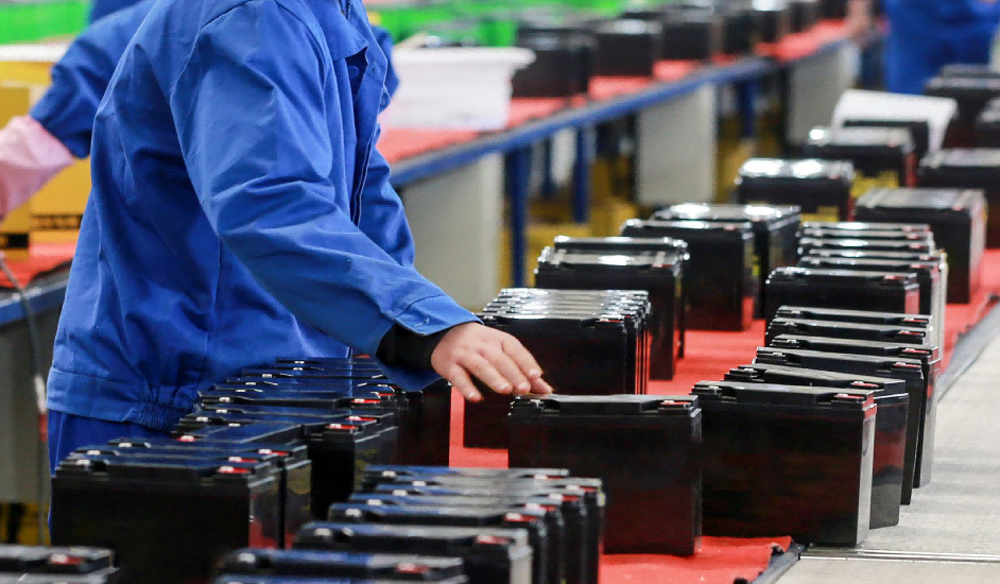
Safety is a top priority in every Li-ion battery system produced by JREPOWER. Each battery undergoes comprehensive testing for overcharge, over-discharge, temperature stability, and vibration resistance.
JREPOWER incorporates:
Multi-layer protection circuits
Fire-retardant cell housings
Real-time BMS monitoring
These measures guarantee safe and stable operation in even the harshest industrial environments.
The Li-ion battery industry plays a critical role in reducing carbon emissions and promoting sustainability. JREPOWER actively participates in global recycling initiatives, recovering valuable materials such as lithium, nickel, and cobalt to reduce waste and environmental impact.
By integrating renewable energy and recyclable materials, JREPOWER contributes to a greener, more circular energy economy.
Technological advancements continue to push Li-ion batteries forward. The next generation of Li-ion technology includes:
Solid-state designs for higher safety and energy capacity.
AI-driven BMS for predictive maintenance and smart energy management.
Enhanced anode materials such as silicon to improve charge capacity and speed.
As industries demand higher efficiency and lower environmental impact, JREPOWER remains committed to leading innovation in Li-ion battery manufacturing — delivering tailored, high-performance energy solutions for global partners.
The Li-ion battery is more than a power source — it's the foundation of the clean energy future. With superior efficiency, long lifespan, and environmental benefits, it has revolutionized how industries operate and innovate.
For businesses seeking dependable energy solutions, JREPOWER offers cutting-edge Li-ion battery systems designed for performance, safety, and sustainability.
Empower your enterprise with JREPOWER — where technology meets energy excellence.
 Standardized Operation Procedures for Full-Process Photovoltaic Power Station O&MJuly 22, 2026Chapter 1 General Provisions (O&M Objectives, Scope of Application, Core Principles)1.1 O&M Objectives and SignificanceIn order to unify the full-process operation standards for daily inspec...view
 How are lithium battery cells designed? Which chemical system should be chosen?March 31, 2026What is cell design?Cell design refers to a method of assembling positive electrode material, negative electrode material, electrolyte, separator, and current collectors in certain proportions and pro...view
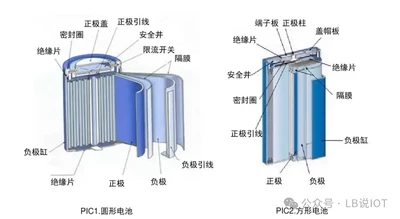 Safety First: A Multidimensional Strategy Analysis for Enhancing Lithium-ion Battery SafetyMarch 31, 2026Application and Safety Issues of Lithium-ion Batteries: Lithium-ion batteries are widely used due to their high energy density, high output power, and high average output voltage. However, accidents ...view
 BMS Common Fault Handling Guide Battery Management System Troubleshooting ManualJuly 22, 2026This guide summarizes high-frequency faults in daily BMS battery management system O&M, organized into four categories: Master Control & Communication, Insulation & Current Detection, Temp...view
 Basic knowledge of lithium batteries......March 31, 2026Introduction to Lithium MetalLithium is a metallic element that sits at the top of the metal category in the periodic table. Its chemical symbol is Li, and it is a silvery-white, very soft metal with ...viewUltimate Analysis of Energy Storage Selection: Centralized vs. String-Level BESS Beyond Wiring Differences — The Core is Control Granularity CompetitionJuly 22, 2026In energy storage project design and equipment selection, centralized and string-level BESS (Battery Energy Storage Systems) are the two dominant technical routes. Many practitioners have long held a ...view
 EN
EN
 ru
ru