In order to unify the full-process operation standards for daily inspection, equipment maintenance, fault repair, safety control, and records management of photovoltaic (PV) power stations, and to regulate all O&M behaviors, ensuring the long-term stable, safe, and economical operation of the power station, these procedures are hereby formulated. The core five objectives are as follows:
Safe Operation: Eliminate equipment failures, electrical safety accidents, and overhead work accidents; ensure the safety of equipment, personnel, and the power grid.
Efficiency Improvement and Revenue Increase: Eliminate equipment inefficiency and unplanned downtime; maximize power generation output and efficiency.
Life Extension and Loss Reduction: Through routine preventive maintenance, slow equipment aging and extend the service life of the power station and all types of equipment.
Cost Control and Consumption Reduction: Proactively identify equipment hidden dangers; reduce emergency repair costs and generation losses from downtime; lower overall O&M costs.
Compliance Achievement: Meet national industry standards and grid interconnection requirements; achieve standardized and compliant power station operations.
These procedures apply to all types of grid-connected and off-grid commercial, residential, and utility-scale PV power stations, covering all system equipment of the station, including PV modules and mounting structures, AC/DC cables, combiner boxes, inverters, distribution cabinets, step-up transformers, lightning protection and grounding systems, monitoring systems, and energy storage systems (optional). These procedures apply to all power station O&M personnel, management personnel, and outsourced third-party O&M operators, serving as the standard execution basis for daily O&M operations.
Prevention First, Combined Prevention and Control: With daily inspection and regular maintenance as the core, proactively identify hidden dangers and reduce sudden failures; achieve early detection and early treatment.
Safety First, Standardized Operations: All operations must strictly comply with electrical safety and overhead work regulations; prohibit illegal operations and non-compliant work.
Precision and Efficiency, Rapid Response: Precisely locate equipment faults; shorten downtime for repair; minimize generation losses.
Full-Process Documentation, Traceability: All inspection, maintenance, repair, and emergency operations must be recorded and archived, enabling full-process traceability of O&M work.
Certified Operation: O&M personnel must hold valid low-voltage/high-voltage electrical work certificates and safety production training completion certificates; personnel engaged in overhead work and special repairs must hold corresponding special operations certificates. Working without certification is strictly prohibited.
Competency Standards: Must be proficient in power station system principles, equipment layout, electrical wiring, and grid interconnection rules; possess independent operational capability in equipment inspection, fault diagnosis, and emergency response.
Pre-Work Preparation: Complete safety training and technical briefings before work; be proficient in the use of insulated tools and testing instruments; master personal protection and emergency escape methods.
Strict Adherence to Management Systems: Strictly implement the two-ticket three-system protocol (work ticket, operation ticket; shift handover system, patrol inspection system, and equipment periodic test rotation system); electrical repair and overhead work must not be performed by a single person; a dedicated supervisor must be assigned.
Protection Standards: Throughout all operations, wear safety helmets, insulated gloves, insulated boots, and protective face shields; prohibit wearing metal jewelry; eliminate all unsafe work behaviors.
Focus on visual inspection and basic condition assessment to quickly identify surface defects and structural hazards:
Visual Inspection: Check for dust, bird droppings, fallen leaves, and debris on the module surface; ensure glass is free of cracks, breakage, discoloration, bulging, or hot-spot blackening.
Structural and Wiring Inspection: Module frames and mounting clips are secure without looseness or corrosion; junction boxes are properly sealed without water ingress, cracking, scorching, or aging.
3.2.1 Biweekly-Monthly Cleaning and Maintenance
Cleaning operations should be conducted during low-light and low-temperature periods such as early morning, evening, or overcast days. Cleaning in high-temperature strong-light conditions is prohibited to avoid module damage from thermal expansion and contraction. Use clean water with soft cloths and sponges; the use of corrosive cleaners, high-pressure water jets, or sharp tools is strictly prohibited to prevent scratching or corroding the module glass and coating.
3.2.2 Monthly Performance Testing
Test voltage and current operating data of each string of modules; verify parameters are normal; check all wiring terminals for looseness, oxidation, and heating hazards; tighten and handle promptly.
3.2.3 Annual Comprehensive Overhaul
Use infrared thermal imaging to comprehensively test for hot spots and heating faults; screen out low-efficiency and faulty modules; test module insulation resistance to ground (standard >= 1M ohm); comprehensively tighten connectors; uniformly replace damaged, aged, and failed modules.
Module Damage and Hot-Spot Faults: Immediately disconnect the corresponding string switch; hang a 'Do Not Close' warning sign; replace with same-specification brand-new modules after shutdown.
Junction Box Faults: After the equipment is fully powered off and discharged, repair or replace the junction box; re-wire properly and ensure waterproof sealing.
Visual inspection of the overall structure: no tilting, swaying, or deformation; concrete foundations free of cracking, settlement, or displacement; all fixing bolts and nuts are complete and intact, without looseness, detachment, or severe corrosion.
4.2.1 Monthly Maintenance
Comprehensively tighten structural bolts and clips; remove rust and apply anti-corrosion coating to rusted areas; clear weeds and debris around structures to avoid blocking modules and affecting generation.
4.2.2 Quarterly Maintenance
Unclog drainage holes in structural columns to prevent water accumulation and internal corrosion; calibrate structural azimuth and tilt angle to ensure compliance with design generation standards; clear obstructions around equipment.
4.2.3 Annual Maintenance
Comprehensively test overall structural stability; replace and reinforce deformed or damaged components; repair cracked or settled equipment foundations; for tracking-type structures, additionally test drive and control system accuracy; calibrate tracking operation parameters.
After extreme weather events such as heavy rain, strong winds, heavy snow, or hail, a special comprehensive inspection of structures and foundations must be carried out immediately. Focus on structural deformation, loosened connectors, and foundation damage; confirm equipment safety before resuming normal power station operation.
Enclosure appearance is intact with tight sealing, no water ingress, dust accumulation, or corrosion; door locks are intact.
Internal circuit breakers, fuses, lightning protection modules, and indicator lights are operating normally with no tripping, burn-out, abnormal noise, heating, or alarm faults.
Verify background monitoring data: current deviation of each string branch <= +/-5%; branches exceeding the deviation standard require immediate investigation.
5.2.1 Monthly Maintenance
After powering off, clean dust inside the enclosure; comprehensively tighten all wiring terminals and handle oxidized or heating terminals; test circuit breaker and fuse performance; replace damaged or failed components.
5.2.2 Quarterly Maintenance
Check lightning protection module working status and promptly replace failed components; test enclosure insulation performance; reinforce waterproof and dust-proof sealing; debug communication modules to ensure stable data transmission.
5.2.3 Annual Maintenance
Comprehensively test combiner box electrical operating performance; perform rust removal and anti-corrosion treatment on the enclosure; replace aging cables and sealing strips to enhance equipment protection capability.
Branch Tripping and Fuse Blown: First investigate the corresponding string, rule out short-circuit or grounding faults, then reset the switch or replace the fuse. Blindly closing the switch is prohibited.
Lightning Protection Faults and Communication Interruptions: Quickly repair or replace faulty modules to restore equipment protection functions and data acquisition/upload functions.
Operating Status: No abnormal noise, odor, smoke, or over-temperature alarms; equipment body temperature is normal.
Parameter Verification: Check display for voltage, current, power, generation, and fault codes; confirm operating parameters are normal and grid-connected status is stable.
Cooling and Protection: Cooling fans and vents are unobstructed; cabinet sealing is intact; grounding wire is secure and effective.
Data Comparison: If actual generation deviates significantly from theoretical generation, immediately investigate equipment and string faults.
6.2.1 Monthly Maintenance
Clean dust from cabinet and cooling vents; test cooling fan operation status; tighten equipment input/output terminals and handle loose, heating, or oxidized points; verify operating parameters; clear invalid historical fault records.
6.2.2 Quarterly Maintenance
Test key parameters such as equipment input/output voltage, current, and harmonics to ensure compliance with grid interconnection standards; test emergency shutdown and remote start/stop functions to ensure emergency operations are reliable and effective.
6.2.3 Annual Maintenance
Deep clean inverter interior dust; inspect core components such as capacitors, inductors, and circuit boards; replace bulging, aged, or damaged components; perform overall equipment insulation testing and parameter calibration; complete full-machine commissioning.
When equipment exhibits shutdown, alarms, abnormal noise, or overheating faults, immediately disconnect AC and DC side switches and hang warning signs. Basic faults can be handled on-site; for core component damage such as capacitors or power modules, unauthorized disassembly is prohibited. Contact the manufacturer or qualified technical personnel for repair or replacement.
7.1.1 Daily Inspection
Check cable routing integrity without crushing, scratching, wear, or aging damage; cable trays and conduits are securely fixed; all cable joints and terminals are without looseness, heating, oxidation, or discharge marks.
7.1.2 Regular Maintenance
Monthly: clear debris around cables and verify cable marking completeness. Annually: comprehensively test cable insulation resistance; tighten all wiring terminals; replace aging or damaged cables; improve fire prevention and rodent protection measures.
7.2.1 Daily Inspection
Check cabinet operating status; meters, indicator lights, and switches are operating normally; equipment is free of abnormal noise, heating, discharge, or leakage faults.
7.2.2 Regular Maintenance
Regularly clean dust inside the cabinet and tighten wiring terminals; test operating performance of switches, relay protection, and reactive power compensation devices; seal cable penetrations; implement cabinet moisture-proof, fire-proof, and dust-proof protection.
Check transformer oil temperature and oil level are normal; no abnormal noise, oil leakage, or overheating; equipment bushings are intact without damage or discharge marks; grounding and cooling systems are operating normally; high-voltage switches and relay protection devices have no alarms or faults.
8.2.1 Quarterly Maintenance
Tighten high-voltage equipment wiring terminals; clean cooling system and vent dust; test relay protection and reactive power compensation device action accuracy to ensure protection functions are effective.
8.2.2 Annual Maintenance
Conduct transformer oil quality testing and overall insulation resistance testing; complete high-voltage equipment preventive tests; handle equipment leakage and component aging issues; tighten all connectors to ensure high-voltage equipment meets industry operating standards.
9.1.1 Daily Inspection
Check data acquisition, transmission, and storage functions are normal; power station operating parameters, video surveillance, and generation data are real-time and accurate; when communication interruption or data anomalies occur, promptly investigate sensor, cable, and module faults.
9.1.2 Regular Maintenance
Regularly calibrate instruments and sensors; upgrade system software; back up O&M historical data to ensure long-term stable operation and complete traceability of the monitoring system.
9.2.1 Quarterly Maintenance
Check grounding lead wires and connection points are secure and reliable, without corrosion or breakage; test lightning arrester status and grounding resistance values to ensure compliance with design standards.
9.2.2 Annual Maintenance
Comprehensively test power station grounding grid resistance and rectify non-compliant points; replace aging or failed lightning protection components; fully ensure power station lightning protection and grounding protection capability.
Remotely monitor battery cabin temperature and humidity, battery voltage, current, and state of charge in real time; investigate faults such as battery swelling, leakage, odor, or abnormal noise; confirm cooling and fire protection systems are operating normally.
Weekly Inspection: On-site verification of battery operating parameters; clean cabin dust; check ventilation and fire protection equipment operating conditions.
Monthly Maintenance: Test battery balancing performance; investigate over-charge and over-discharge hazards; ensure battery cycle life.
Annual Overhaul: Comprehensively test battery pack and energy storage converter operating performance; replace faulty batteries; calibrate system operating parameters.
O&M Cycle | Core Work Content |
Daily Inspection | Full equipment visual inspection, operating status verification, basic operating parameter check; timely discovery of apparent faults |
Monthly Maintenance | Full equipment cleaning, terminal tightening, basic performance testing, minor hazard rectification, parameter verification and calibration |
Quarterly Maintenance | Deep inspection of equipment structure, insulation, and protection systems; calibration of protection devices, communication equipment, and lightning protection equipment performance |
Annual Maintenance | Full station equipment deep overhaul, specialized performance testing, aging component replacement, full-machine parameter debugging, comprehensive hazard rectification |
Special Inspection | Before and after extreme weather, holidays, or grid maintenance, increase special inspection frequency to investigate hazards under special operating conditions |
Electrical Work Safety: All electrical repairs must strictly follow the five-step safety procedure: power off -> voltage verification -> discharge -> tag -> ground. Any live work is strictly prohibited.
Overhead Work Safety: Overhead repairs must wear safety harnesses and set up safety protection facilities; unauthorized climbing or unprotected work is strictly prohibited.
Work Record Standards: Throughout all operations, use qualified insulated tools and testing instruments; completely record the work process and testing data for archiving.
Set clear safety warning signs in O&M work areas; prohibit unauthorized persons from entering the work site; keep sufficient fire-fighting equipment and emergency supplies on-site to ensure availability for emergencies.
In adverse weather conditions such as thunder and rain, wind speeds > 12m/s, heavy snow, or high-temperature sun exposure, and when relative humidity > 75%, outdoor electrical repairs, module removal/installation, and overhead work are prohibited.
Strictly implement work ticket, operation ticket, and work supervision systems. The work supervisor must be present throughout and must not participate in equipment operations, focusing solely on on-site safety supervision.
Regularly organize O&M safety training and emergency drills to enhance all personnel's work skills and emergency response capabilities. All special operations are limited to certified professional personnel only.
In the event of equipment faults, leakage, fire, or grid interconnection anomalies, priority must be given to cutting off the corresponding equipment's power supply, evacuating non-essential personnel, and activating the corresponding emergency plan. Blind rush repairs and illegal operations are prohibited.
For equipment fires: Immediately cut off the entire station's AC and DC power supply; use dry powder fire extinguishers to extinguish fires. Using water to fight electrical fires is strictly prohibited.
For personnel electric shock accidents: Immediately cut off power for rescue and promptly report to management.
In the event of major equipment damage, grid interconnection faults, or safety accidents, immediately report to the power station responsible person and power grid dispatch; completely record fault information; cooperate with qualified personnel to complete repair and rectification.
Establish standardized O&M records, completely documenting all work information including daily inspection, regular maintenance, fault repair, equipment replacement, parameter testing, safety training, and emergency drills. Every event must have a record and every item must be traceable.
Uniformly archive power station construction drawings, equipment manuals, factory test reports, test reports, O&M records, and repair materials. All technical documents are continuously retained for a period no less than the overall equipment service life, ensuring traceability throughout the power station's entire lifecycle.
1. These 'Standardized Operation Procedures for Full-Process Photovoltaic Power Station O&M' take formal effect upon issuance, with the power station O&M management department responsible for daily interpretation, revision, and implementation supervision.
2. If any provisions of these procedures conflict with the latest national and industry standards or grid regulations, the superior national and industry standards shall prevail.
3. Each PV power station may, based on its own equipment types, site environment, and installed capacity, formulate specialized O&M implementation rules on the basis of these procedures.
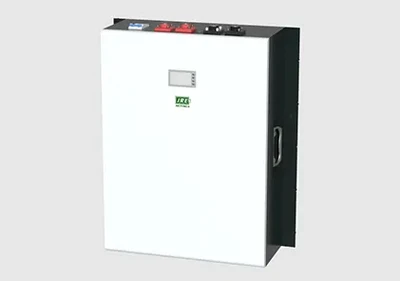 Energy Storage Battery Manufacturers in 2026: A Sourcing Checklist for Long-term, Low-risk ProjectsJune 16, 2026The energy storage market is crowded, but quality is not equal — and the gap between a reliable supplier and a problematic one rarely shows up at commissioning. It shows up six to twelve months later...view
 BMS Common Fault Handling Guide Battery Management System Troubleshooting ManualJuly 22, 2026This guide summarizes high-frequency faults in daily BMS battery management system O&M, organized into four categories: Master Control & Communication, Insulation & Current Detection, Temp...view
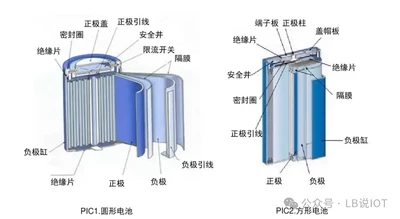 Safety First: A Multidimensional Strategy Analysis for Enhancing Lithium-ion Battery SafetyMarch 31, 2026Application and Safety Issues of Lithium-ion Batteries: Lithium-ion batteries are widely used due to their high energy density, high output power, and high average output voltage. However, accidents ...view
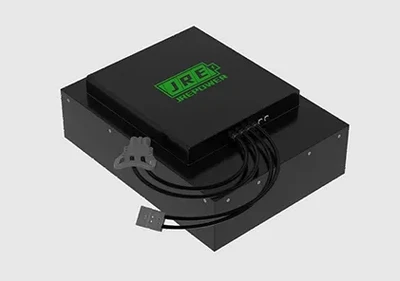 Electric Forklift Battery Safety in the Warehouse: Why Smart BMS is Now a Must-HaveJune 16, 2026Warehouse operators are under increasing pressure to improve safety, uptime, and compliance — particularly in regulated environments like food processing, pharmaceutical logistics, and cold storage. ...view
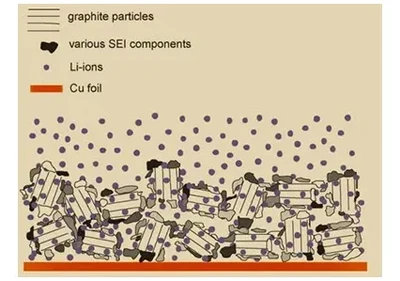 Mechanism of SEI Film Formation in Lithium-Ion Batteries and the Impact of Formation Processes!March 31, 2026In the production process of lithium-ion batteries, formation is an extremely important step. This step mainly includes the initial charging process of the cell after the electrolyte injection is comp...view
 Classification and Characteristics of Lithium BatteriesMarch 31, 2026Lithium-ion batteries are characterized by their high energy density, lightweight design, lack of memory effect, and environmental friendliness. They are widely used in electric vehicles, energy stora...view
 EN
EN