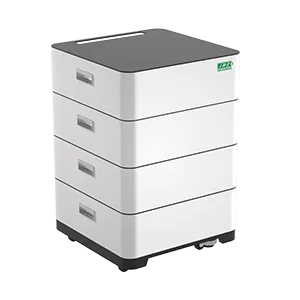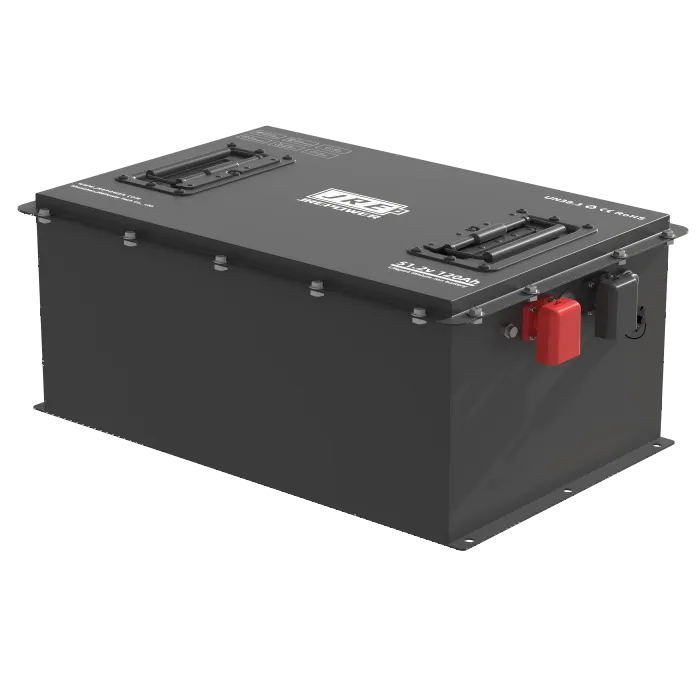
Lithium-ion batteries are characterized by their high energy density, lightweight design, lack of memory effect, and environmental friendliness. They are widely used in electric vehicles, energy storage devices, and other applications such as electric cars, electric forklifts, AGV vehicles, golf carts, drones, and laptops. Lithium-ion batteries are categorized into lithium nickel manganese cobalt oxide (NMC), lithium iron phosphate (LFP), lithium manganese oxide (LMO), lithium cobalt oxide (LCO), and polymer batteries.
1.Lithium Iron Phosphate (LFP) Batteries: These are lithium-ion batteries that use lithium iron phosphate (LiFePO4, abbreviated as LFP) as the cathode material. They consist of a cathode, an anode, electrolyte, separator, and battery casing. BYD's blade batteries utilize lithium iron phosphate because of its lower energy density, and LFP batteries are mainly used in electric forklifts, electric golf carts, sightseeing vehicles, electric patrol vehicles, and photovoltaic energy storage, among others.
Advantages: Long lifespan, capable of achieving over 2000 charge-discharge cycles, supports fast charging and discharging. They have good safety performance, with a thermal peak of up to 350℃-500℃ for lithium iron phosphate, compared to around 200℃ for lithium manganese oxide and lithium cobalt oxide. Compared to NMC batteries, LFP batteries are less expensive.
Disadvantages: Lower energy density and poor performance in cold temperatures.
2.NMC Lithium Battery: The cathode material uses a ternary polymer containing three metal elements: nickel, cobalt, and manganese (or aluminum). Due to its long range, it is widely used in electric vehicles with high range requirements. Contemporary Amperex Technology (CATL) produces a lot of NMC batteries and has developed a sodium-ion battery with lower costs.
Advantages: High energy density. The nominal cell voltage can reach 3.7V, which is higher than the 3.2V of lithium iron phosphate, providing greater output power and longer range. Better low-temperature performance, with less range loss in winter compared to lithium iron phosphate batteries.
Disadvantages: Poor safety, poor resistance to high temperatures, and higher cost than lithium iron phosphate batteries. After about 1000 cycles of discharge, the lifespan is slightly shorter than that of lithium iron phosphate batteries.
3.Lithium Manganese Oxide Battery: Lithium manganese oxide batteries refer to those using lithium manganese oxide (LiMn2O4) as the cathode material. The nominal voltage of lithium manganese oxide batteries ranges from 2.5 to 4.2V, with a nominal voltage of 3.7V. The Nissan LEAF has chosen lithium manganese oxide batteries.
Advantages: Low-cost and good low-temperature performance cathode material. Low resistance allows for fast charging and high-current discharge.
Disadvantages:Poor high temperature resistance, prone to gas generation, expansion, etc., short cycle life, generally between 600-800 cycles.
4.Lithium Cobalt Oxide Batteries: Lithium cobalt oxide batteries were the first commercially available lithium-ion battery cathode material. Lithium cobalt oxide has three phases, namely the layered structure HT-Li-CoO2, the spinel structure LT-LiCoO2, and the rock salt phase Li-CoO2. Lithium cobalt oxide batteries have an extremely high volumetric energy density, a nominal voltage of 3.7V, and are widely used in consumer electronic devices such as MP3 players, mobile phones, and laptops. Due to their poor safety, they are not suitable for use in power batteries.
Advantages: Superior electrochemical performance, high volumetric energy ratio
Disadvantages: Poor safety, short cycle life.
From the public account SMM New Energy
https://mp.weixin.qq.com/s/4JOG8-U86ZeWVrp3QJx2SA
 BMS Common Fault Handling Guide Battery Management System Troubleshooting ManualJuly 22, 2026This guide summarizes high-frequency faults in daily BMS battery management system O&M, organized into four categories: Master Control & Communication, Insulation & Current Detection, Temp...view
 Basic knowledge of lithium batteries......March 31, 2026Introduction to Lithium MetalLithium is a metallic element that sits at the top of the metal category in the periodic table. Its chemical symbol is Li, and it is a silvery-white, very soft metal with ...viewUnderstanding Grid-Forming Energy Storage: The Ultimate Stabilizer for New Energy Power GridsJuly 22, 2026In the new energy era, the power grid lacks a 'critical short board.' Wind and PV power stations are now everywhere, gradually replacing traditional thermal and hydropower, helping the power i...view
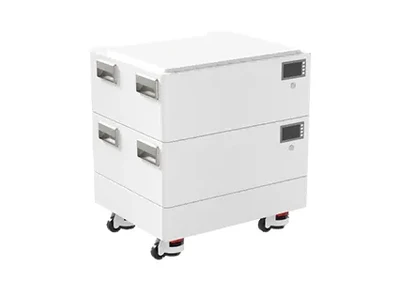 JREPower Home Energy Storage: Building Your Intelligent, Personal Energy HubFebruary 3, 2026In an era of pursuing sustainable living and navigating energy transitions, the role of the home is being redefined. It can be more than a living space; it can become an efficient, independent energy ...view
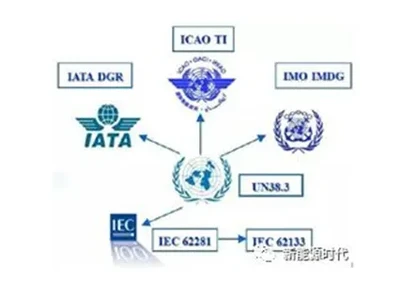 Introduction to Lithium-ion Battery Standards (International Edition)March 31, 2026I. UN38.3UN38.3 is the section of Chapter 38, Paragraph 3 of the United Nations' "Manual of Tests and Criteria for the Transport of Dangerous Goods." In 2003, the United Nations adopted ...view
 How are lithium battery cells designed? Which chemical system should be chosen?March 31, 2026What is cell design?Cell design refers to a method of assembling positive electrode material, negative electrode material, electrolyte, separator, and current collectors in certain proportions and pro...view
 EN
EN
 ru
ru