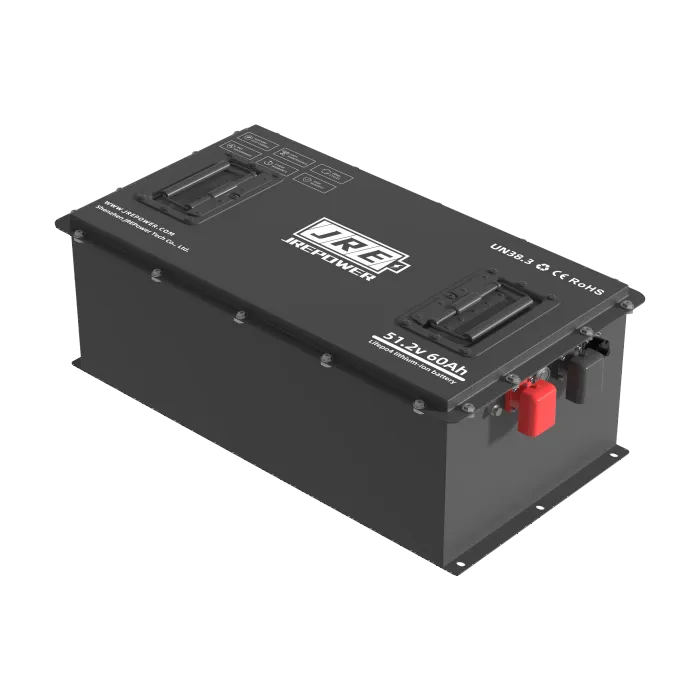
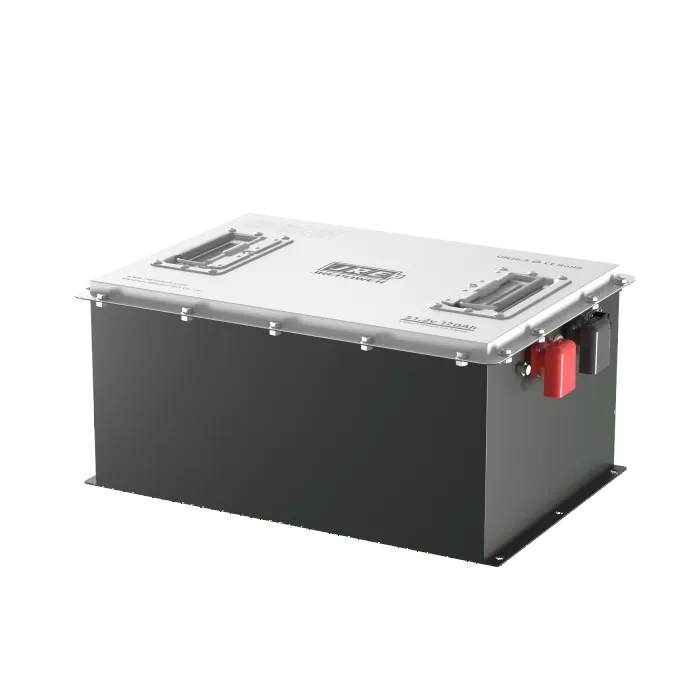
For modern resorts and golf courses, sustainability is no longer a nice-to-have. Environmental compliance pressure is rising across hospitality and leisure sectors, and brand reputation increasingly depends on visible, credible green action — not just policy statements. Guests, corporate event clients, and certification bodies are all looking for evidence of genuine operational change. Switching your fleet to a golf cart battery pack built on lithium technology is one of the fastest, most visible ways to reduce pollution risk, simplify maintenance operations, and support a sustainability narrative that holds up to scrutiny. For facilities pursuing green certification goals or ESG reporting commitments, the lithium conversion is a storyable project with measurable outcomes — not just a battery swap.
This article covers the environmental case, the working principle, the specification checklist, the application fit across resort and course operations, and the total cost of ownership so fleet managers and procurement teams can evaluate the upgrade with confidence.
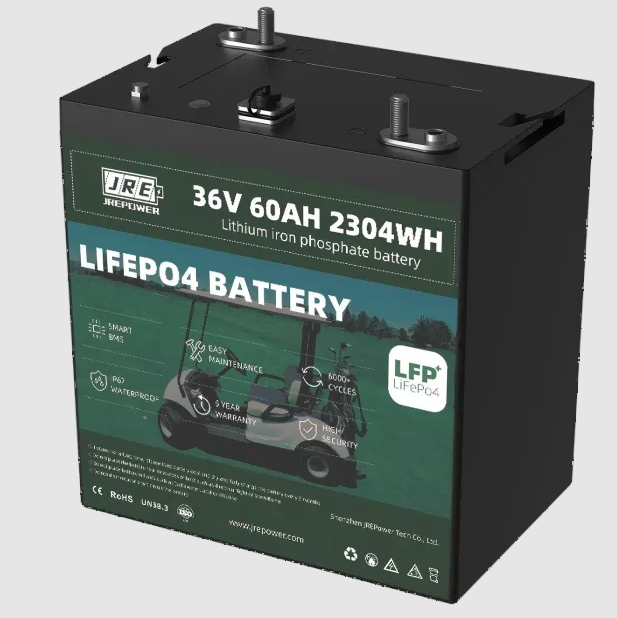
A golf cart battery pack is the complete onboard energy system that powers an electric cart — battery cells or modules, interconnects, and (in lithium systems) a Battery Management System that monitors and protects the pack in real time. In a lead-acid system, the pack is a set of flooded or sealed lead-acid batteries connected in series to achieve the required system voltage. In a lithium system, the pack integrates lithium cells with active electronics that manage cell balance, temperature, and protection.
The difference is not just chemistry — it is the entire operational profile of the energy system, from daily charging behavior to end-of-life handling.
Lead-acid batteries carry environmental liabilities that are easy to underestimate until something goes wrong. Lead is a regulated hazardous material. Acid electrolyte is corrosive. In a busy cart barn with dozens of batteries being charged, watered, and handled daily, the risk of spills, leaks, and contaminated runoff is real — and in facilities that are pursuing green certification or operating near sensitive natural environments such as golf course water features, that risk is a compliance exposure.
Lithium golf cart battery packs eliminate lead and acid from the equation entirely. There is no watering requirement, no acid handling, no risk of electrolyte spills in the cart barn or on the course. For facilities that need to document their environmental management practices for certification audits or ESG reporting, the absence of lead-acid handling is a clean, auditable improvement.
At end of life, lithium battery packs retain meaningful value due to the recoverable materials — lithium, cobalt, nickel, and manganese depending on cell chemistry — and the established recycling infrastructure that has developed alongside the EV industry. This end-of-life value supports a circular economy narrative that resonates with sustainability-focused guests, corporate clients, and certification bodies.
Lead-acid batteries also have recycling pathways, but the handling and disposal process involves regulated hazardous waste management that adds cost and administrative burden. Lithium end-of-life management is cleaner, more valuable, and easier to document.
Lithium cells store energy electrochemically at higher energy density than lead-acid — more usable energy per kilogram of battery weight. This means a lithium pack can deliver the same or greater range as a lead-acid pack at lower weight, which reduces the load on the cart's drivetrain and improves efficiency across the fleet.
The Battery Management System is the intelligence layer that makes lithium packs reliable in fleet applications. It monitors cell voltage, pack current, and temperature in real time, and intervenes to protect the pack from conditions that would shorten its life or create safety risks:
Over-voltage protection during charging prevents cell damage from overcharge
Under-voltage protection during discharge prevents deep discharge that degrades cell capacity
Over-current and short-circuit protection responds to fault conditions in milliseconds
Temperature monitoring prevents operation outside the safe thermal window
The BMS also manages cell balancing — ensuring that all cells in the pack charge and discharge evenly, which is critical for achieving the rated cycle life and maintaining consistent performance across the pack's service life.
Lithium packs have higher charge and discharge efficiency than lead-acid — less energy is lost as heat during each cycle. Across a fleet of 50 or 100 carts charging daily, this efficiency difference reduces total electricity consumption for the fleet. For facilities tracking their energy use as part of a sustainability program, this is a measurable, reportable improvement.
Stable voltage delivery throughout the discharge cycle is another operational advantage. Lead-acid voltage drops progressively as the battery discharges, which affects cart performance toward the end of a shift. Lithium packs maintain a flatter voltage curve, delivering consistent performance from the first hole to the last — which matters for guest experience as much as for operational efficiency.
Clean operations in cart barns and maintenance areas are increasingly important for facilities undergoing environmental audits. No acid fumes, no lead dust, no electrolyte spills — the lithium cart barn is a fundamentally cleaner environment that is easier to document and easier to maintain to a consistent standard.
Getting the specification right before procurement prevents compatibility problems and ensures the pack delivers its rated performance in your specific application.
| Specification | What to Define | Why It Matters |
|---|---|---|
| Voltage platform | 36V, 48V, or 72V depending on cart model and controller | Must match the cart's electrical system exactly |
| Capacity (Ah / kWh) | Based on route length, terrain, and daily duty cycles | Determines range per charge and whether the fleet can complete daily operations without mid-shift charging |
| BMS protections | Over/under-voltage, over-current, short-circuit, temperature | Protects pack life and ensures safe operation in fleet conditions |
| Charging compatibility | Charger type, charge profile, and charge time target | Incompatible chargers can damage lithium packs or fail to charge them correctly |
| Cycle life | Rated cycles at defined depth of discharge | Fewer replacements over the fleet lifetime reduces waste and total cost |
| Physical fitment | Pack dimensions, mounting points, cable routing, connector type | Determines retrofit complexity and installation time per cart |
Compliance lens: Documented battery system specifications — voltage, capacity, cycle life, BMS protections, and recycling pathway — can support internal sustainability reporting and external green certification narratives. Request a full technical datasheet and compliance documentation from your supplier before finalizing the procurement.
In resort environments, the guest experience is the primary brand asset. Quiet, smooth, modern electric carts with consistent performance throughout the day contribute to the premium experience that resort guests expect. A lithium fleet upgrade is also a visible sustainability action — cart staging areas, charging bays, and fleet information can all carry messaging about the facility's commitment to clean energy and responsible operations.
Several golf course certification programs include criteria related to energy efficiency, pollution prevention, and environmental management practices. A lithium fleet conversion addresses multiple criteria simultaneously: elimination of lead-acid handling, reduction in energy consumption from higher charging efficiency, and documented end-of-life recycling pathway. For courses actively pursuing or renewing certification, the lithium conversion is a high-visibility, well-documented improvement that supports the application.
High-utilization fleets — where carts are running multiple shifts per day — amplify both the sustainability impact and the economic benefit of lithium. More cycles per day means the efficiency advantage compounds faster, and the reduced maintenance burden is more valuable when the fleet cannot afford downtime.
ESG-friendly transport is increasingly a factor in venue selection for corporate events, tournaments, and sponsored gatherings. A lithium fleet supports the venue's ESG credentials and provides a concrete, documentable sustainability action that event organizers can include in their own reporting. For venues competing for premium corporate event business, this is a practical competitive differentiator.
A lithium conversion is a storyable sustainability project. Signage at cart staging areas, a sustainability page on the facility website, and procurement documentation for certification applications all benefit from a concrete, technically credible upgrade. Eco-conscious guests and corporate clients respond to specific, verifiable actions — not vague commitments. A lithium fleet conversion provides exactly that.
Step 1 — Cart make, model, and voltage: Confirm the system voltage and controller specifications for every cart model in the fleet. Mixed fleets may require more than one pack configuration.
Step 2 — Daily duty cycle: Estimate daily run time, route distance, terrain (flat versus hilly), and payload. These inputs determine the required pack capacity to complete daily operations without mid-shift charging.
Step 3 — Charging window: Confirm whether overnight charging is available or whether opportunity charging during the day is needed. This affects the required charge rate and charger compatibility.
Step 4 — Fleet size and rollout plan: Decide whether to convert the full fleet at once or pilot with a subset of carts first. A pilot allows validation of fitment, charging compatibility, and performance before committing to the full fleet.
Most golf cart lithium conversions focus on four areas:
Mounting: Confirm that the lithium pack's physical dimensions and mounting points are compatible with the cart's battery compartment. Some carts require minor bracket modifications.
Cabling and connectors: Verify that the existing cable gauge and connector types are compatible with the lithium pack's current ratings and terminal configuration.
Charger compatibility: This is the most common source of retrofit complications. Lead-acid chargers use a different charge profile than lithium requires. Confirm charger compatibility before installation — an incompatible charger can damage the pack or fail to charge it correctly.
Controller limits: Verify that the cart's motor controller is compatible with the lithium pack's voltage and discharge characteristics.
The goal is a drop-in conversion that minimizes downtime per cart. With correct pre-qualification, most conversions can be completed with minimal modification.
| TCO Factor | Lead-Acid Fleet | Lithium Fleet |
|---|---|---|
| Replacement frequency | Every 3–5 years typical | Every 8–10 years typical (application dependent) |
| Monthly maintenance labor | Watering, terminal cleaning, acid checks | Minimal — periodic inspection and connection check |
| Downtime incidents | Higher — voltage sag, sulfation, watering neglect | Lower — BMS protection and stable performance |
| Disposal and recycling handling | Regulated hazardous waste — cost and admin burden | Higher end-of-life value — established recycling pathway |
| Energy cost per charge cycle | Higher — lower charge efficiency | Lower — higher charge efficiency |
| Total cost per cart per year | Higher when full maintenance and replacement cost is included | Lower over the full service life |
The TCO advantage of lithium is strongest when the full cost picture is included — not just the upfront pack price, but replacement frequency, maintenance labor, downtime cost, and disposal handling. For fleet managers presenting the upgrade case to ownership or finance, building this full TCO model is the most persuasive approach.
A lithium golf cart battery pack is more than a performance upgrade — it is an environmental and reputational one. By eliminating lead contamination risk, improving energy efficiency across the fleet, and offering strong end-of-life recycling value, lithium packs help courses and resorts meet compliance expectations, support green certification efforts, and elevate brand image for sustainability-minded guests and corporate clients. As more golf cart battery manufacturers develop advanced lithium solutions for commercial fleets, facilities now have access to safer, longer-lasting, and more sustainable power options. The operational benefits — reduced maintenance burden, longer service life, and more consistent cart performance — compound the financial case over the fleet’s lifetime. For facilities that need to demonstrate credible, documented environmental action, the lithium fleet conversion is one of the most visible and verifiable steps available.
Explore the lithium golf cart battery pack options and submit your fleet details for an accurate recommendation:
To receive a recommended configuration and quotation matched to your fleet and sustainability goals, provide the following when you submit:
Operating conditions: Terrain (flat, hilly, or mixed), daily mileage or operating hours per cart, typical payload, ambient temperature range, and charging window (overnight or opportunity charging).
Quantity: Fleet size, pilot quantity if applicable, and rollout timeline.
Size and spec requirements: Cart make and model, system voltage, available battery compartment dimensions, target capacity in kWh or Ah, and connector or cable requirements.
Target metrics: Required run time per charge, target charge time, cycle life expectation, certification or ESG documentation requirements.
Current problems: High maintenance burden from lead-acid watering and handling, short runtime or voltage sag late in the shift, acid or lead handling compliance concerns, high replacement frequency, or cart downtime affecting operations.
1. What is a golf cart battery pack?
A golf cart battery pack is the complete battery system that powers an electric golf cart, including battery cells or modules and — in lithium systems — a Battery Management System that monitors cell voltage, current, and temperature to protect the pack and extend its service life. The pack determines the cart's range, performance consistency, and maintenance requirements. Lithium packs differ from lead-acid packs in chemistry, energy density, maintenance requirements, and environmental profile.
2. What is the environmental difference between lithium and lead-acid golf cart batteries?
Lead-acid batteries contain lead — a regulated hazardous material — and sulfuric acid electrolyte. Daily maintenance involves watering, terminal cleaning, and acid level checks, all of which carry contamination and handling risks. Spills, leaks, and improper disposal create environmental liability. Lithium golf cart battery packs eliminate lead and acid entirely, removing these risks from cart barn operations and maintenance workflows. At end of life, lithium packs have established recycling pathways and retain meaningful material value, supporting a circular economy approach that lead-acid disposal does not match.
3. What is the ROI and payback for switching to a lithium golf cart battery pack?
ROI comes from several compounding sources: fewer battery replacements over the fleet lifetime due to longer cycle life; reduced maintenance labor from eliminating watering, acid checks, and terminal cleaning; improved cart uptime from more reliable performance and faster charging; and lower energy cost per charge cycle from higher charging efficiency. Fleet-level payback is best modeled using total cost of ownership per cart per year, including replacement frequency, maintenance labor, downtime cost, and disposal handling — not just the upfront pack price.
4. Do we need to modify our carts to retrofit a lithium golf cart battery pack?
In most cases, the modifications required are minimal. The most common areas to address are charger compatibility — lead-acid chargers use a different charge profile and must be replaced or reprogrammed for lithium — and physical fitment, which may require minor mounting bracket adjustments depending on the cart model. Cable gauge and connector compatibility should also be verified. The exact scope depends on the cart make and model, system voltage, and available battery compartment space. A pre-conversion compatibility check with your supplier before ordering prevents the most common retrofit complications.
5. What parameters should we provide for correct pack selection?
Provide the following: cart make and model, system voltage, daily operating hours or mileage per cart, terrain type and typical payload, charging window and available charger specifications, available battery compartment dimensions, target runtime per charge, desired charge time, fleet size and rollout timeline, and your current pain points — whether maintenance burden, short runtime, acid handling compliance concerns, or high replacement frequency. This information allows the supplier to recommend the correct voltage, capacity, and BMS configuration for your specific fleet and operating conditions.
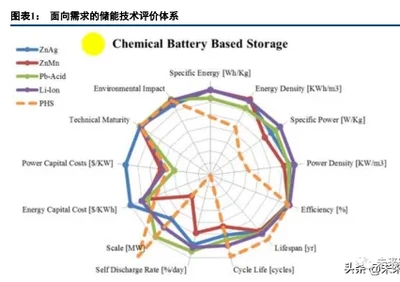 Deep Report on Lithium Battery Industry: A Collection of Battery Technology ProspectsJanuary 13, 2026Energy storage technology is fundamentally a technology that caters to demand, and its evaluation indicator system encompasses energy indicators, power indicators, scale indicators, lifespan indicators, ...view
 Air-Cooled vs. Liquid-Cooled Storage: Industrial & Commercial Energy Storage Thermal Management ComparisonJuly 22, 2026In energy storage system design, thermal management is the core factor determining battery performance, service life, and operational safety. As cells evolve toward larger capacity and higher energy d...view
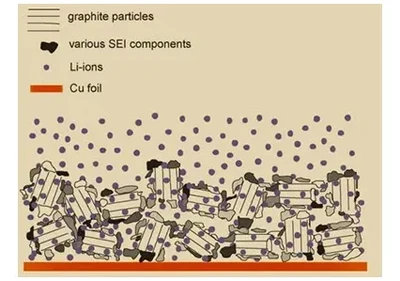 Mechanism of SEI Film Formation in Lithium-Ion Batteries and the Impact of Formation Processes!March 31, 2026In the production process of lithium-ion batteries, formation is an extremely important step. This step mainly includes the initial charging process of the cell after the electrolyte injection is comp...view
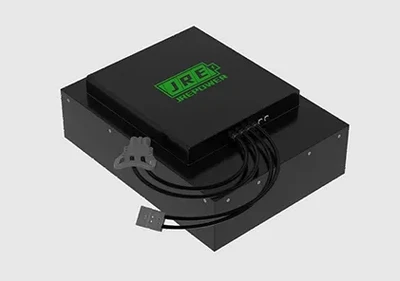 Electric Forklift Battery Safety in the Warehouse: Why Smart BMS is Now a Must-HaveJune 16, 2026Warehouse operators are under increasing pressure to improve safety, uptime, and compliance — particularly in regulated environments like food processing, pharmaceutical logistics, and cold storage. ...view
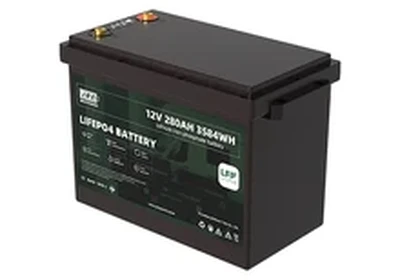 Classification and Characteristics of Lithium BatteriesMarch 31, 2026Lithium-ion batteries are characterized by their high energy density, lightweight design, lack of memory effect, and environmental friendliness. They are widely used in electric vehicles, energy stora...view
 BMS Common Fault Handling Guide Battery Management System Troubleshooting ManualJuly 22, 2026This guide summarizes high-frequency faults in daily BMS battery management system O&M, organized into four categories: Master Control & Communication, Insulation & Current Detection, Temp...view
 EN
EN
 ru
ru