Solid-state lithium metal batteries are regarded as the ideal choice for next-generation energy storage technologies due to their high energy density and excellent safety. However, the slow charge transfer kinetics within the solid components and across the components severely limit their actual energy density, rate performance, and cycle life. Therefore, revealing the intrinsic relationship between "structure - charge transport - performance" and improving the charge transfer kinetics of heterogeneous solid-state systems through structural regulation have become the key to promoting the practical application of solid-state batteries.
Recently, the Solid-State Energy Systems Technology Center of Qingdao Energy Institute systematically reviewed the research progress in the regulation of the three-level structures (electrode, electrolyte, and battery) of solid-state lithium batteries. It deeply analyzed the key influencing factors and regulatory principles of each level structure regulation, and comprehensively evaluated and compared the gain effects and limitations of various structural optimization strategies in improving ion transmission. Finally, it envisioned the multi-level structure regulation paths for achieving rapid charge transmission dynamics in the future, providing widely applicable design principles for the development of next-generation high-performance inorganic solid-state lithium metal batteries.
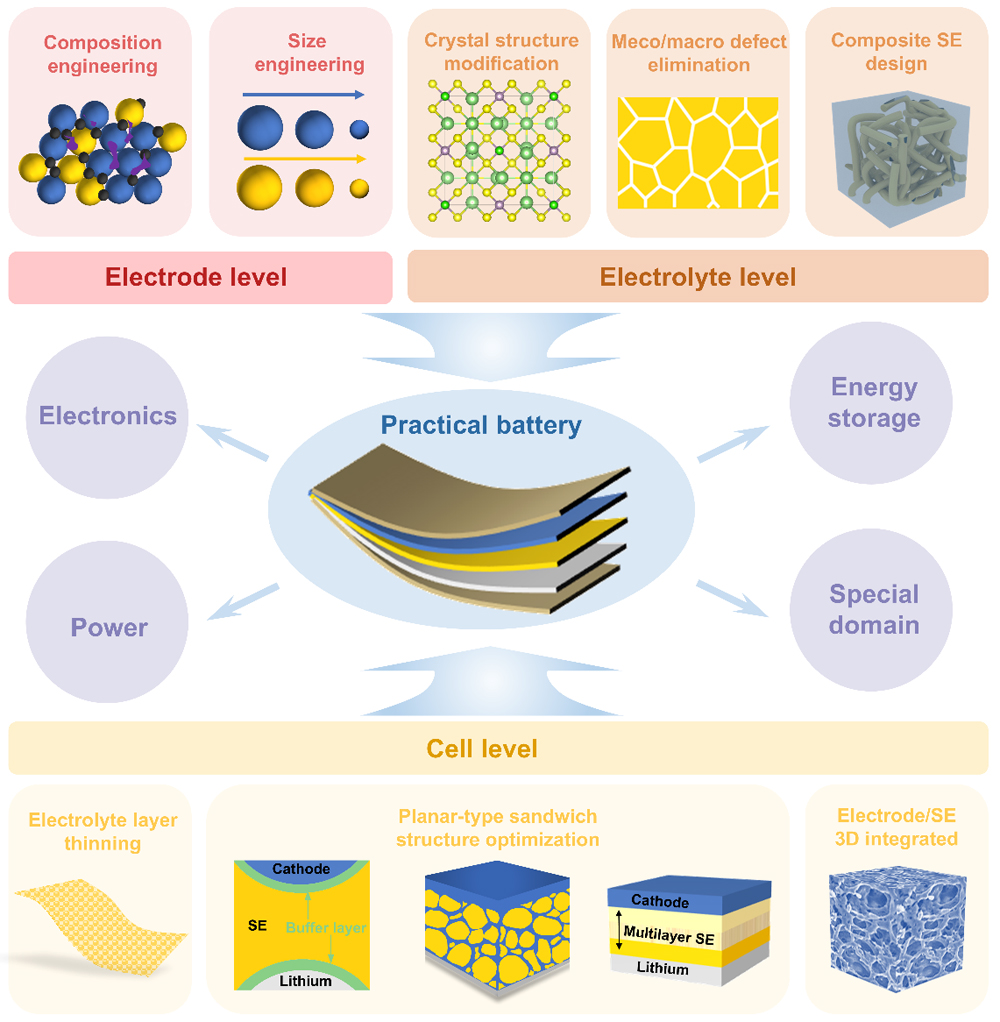
For composite cathodes, the proportions of active materials, solid electrolytes, conductive agents, and binders can be precisely controlled through component engineering to construct a continuous and efficient ion/electron transmission network. This ensures efficient transmission while maximizing the mass of active materials. Through size engineering, the particle sizes and proportions of active materials and solid electrolytes can be optimized to shorten the charge transmission path. Gradient design can actively match the lithium ion flux distribution in thick electrodes, thereby synergistically increasing the loading and utilization rate of active materials.
In the field of solid electrolytes, the structural control strategies cover two major systems: inorganic solid electrolytes and composite solid electrolytes. For inorganic solid electrolytes, multi-scale collaborative optimization from micro-scale doping, defect regulation to macro-scale densification processes is required to ensure rapid lithium ion migration. For composite solid electrolytes, the advantages of organic-inorganic materials are complemented, and the filler structure design ranging from zero-dimensional particles to three-dimensional frameworks is combined to achieve a significant increase in ionic conductivity.
The optimization and design of the overall structure of the battery are equally crucial. The thinning of the electrolyte layer can significantly reduce the resistance of ion transmission, which is a key path to achieving high energy density and high rate capability of the battery; introducing a buffer layer, electrolyte penetration, and multi-layer electrolyte design can effectively improve the lithium ion transmission at the interface; the three-dimensional integration of the electrode/ electrolyte can significantly increase the interface contact area and shorten the ion migration path, thereby achieving efficient synergy between charge transmission and electrochemical reactions.
Looking ahead, structural regulation will evolve in four main directions:
Integrating machine learning with multi-physics field modeling, shifting from single-factor analysis to multi-scale structural collaborative design;
Systematically revealing the quantitative relationships between key parameters of electrode structures, transmission characteristics, and battery performance indicators, and establishing quantitative design guidelines for high-load electrodes;
Innovating the research paradigm for practical solid electrolytes, combining high-throughput computing to solve problems such as material system development of ultra-thin electrolyte membranes, solvent selection, and rheological regulation of slurry;
Establishing a quantitative evaluation system for the compatibility of electrode and solid electrolyte interfaces, achieving the transition from qualitative analysis to quantitative analysis.
Original link:
https://pubs.rsc.org/en/Content/ArticleLanding/2025/CS/D5CS00895F
 Understanding the Impact of High and Low Temperatures on Lithium Battery PerformanceMarch 31, 2026Lithium iron phosphate batteries and ternary lithium batteries in lithium batteries have the advantages of high energy density, wide operating temperature range, long cycle life, and safety and reliab...view
 The ultimate showdown in the trillion-watt energy storage race: 587 Ah versus 684 Ah – who will dominate the next-generation battery cell standard?June 24, 2026The core competitiveness in the energy storage industry has long transcended mere capacity expansion and price competition; the authority to define industry standards remains the decisive factor in th...view
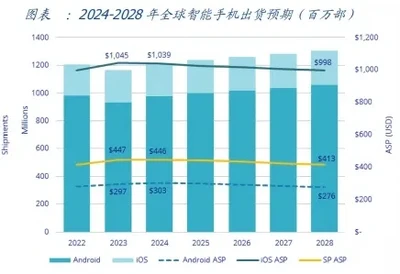 Analysis and Demand Forecast of Consumer Lithium Battery Market in 2024!March 31, 2026Part 1: Steady Growth in Traditional Consumer Electronics1.1 Smartphones: The global shipment growth rate is expected to be 4% in 2024. According to IDC, the global smartphone shipment growth rate is ...view
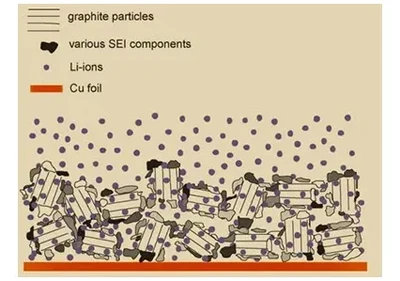 Mechanism of SEI Film Formation in Lithium-Ion Batteries and the Impact of Formation Processes!March 31, 2026In the production process of lithium-ion batteries, formation is an extremely important step. This step mainly includes the initial charging process of the cell after the electrolyte injection is comp...view
 Transformer-Free Grid Connection! Explaining High-Voltage Cascaded Energy Storage Technology: Principles and Advantages at a GlanceJuly 22, 2026In the new energy era, the power grid lacks a 'critical short board.' Wind and PV power stations are now everywhere, gradually replacing traditional thermal and hydropower, helping the power i...view
 Ultimate Energy Storage Selection Guide: Centralized vs. String-Level — Master the Differences and Choose the Right SolutionJuly 22, 2026In the deployment of energy storage power station projects, centralized storage and string-level storage are the two major mainstream technical architectures in the current market. Many project develo...view
 EN
EN
 ru
ru